

Labastida
environment
Surroundings Labastida
In the heart of
Rioja Alavesa
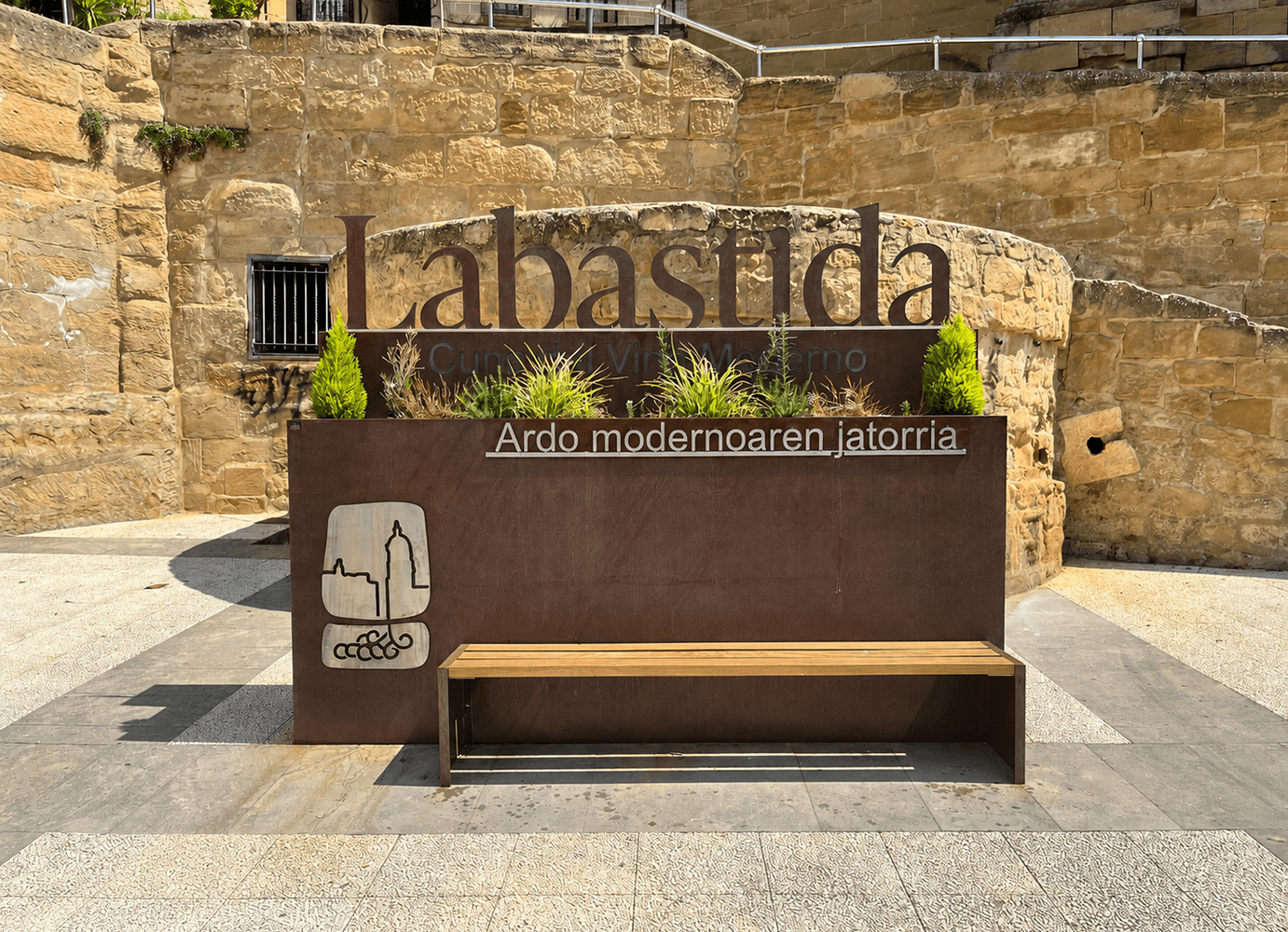
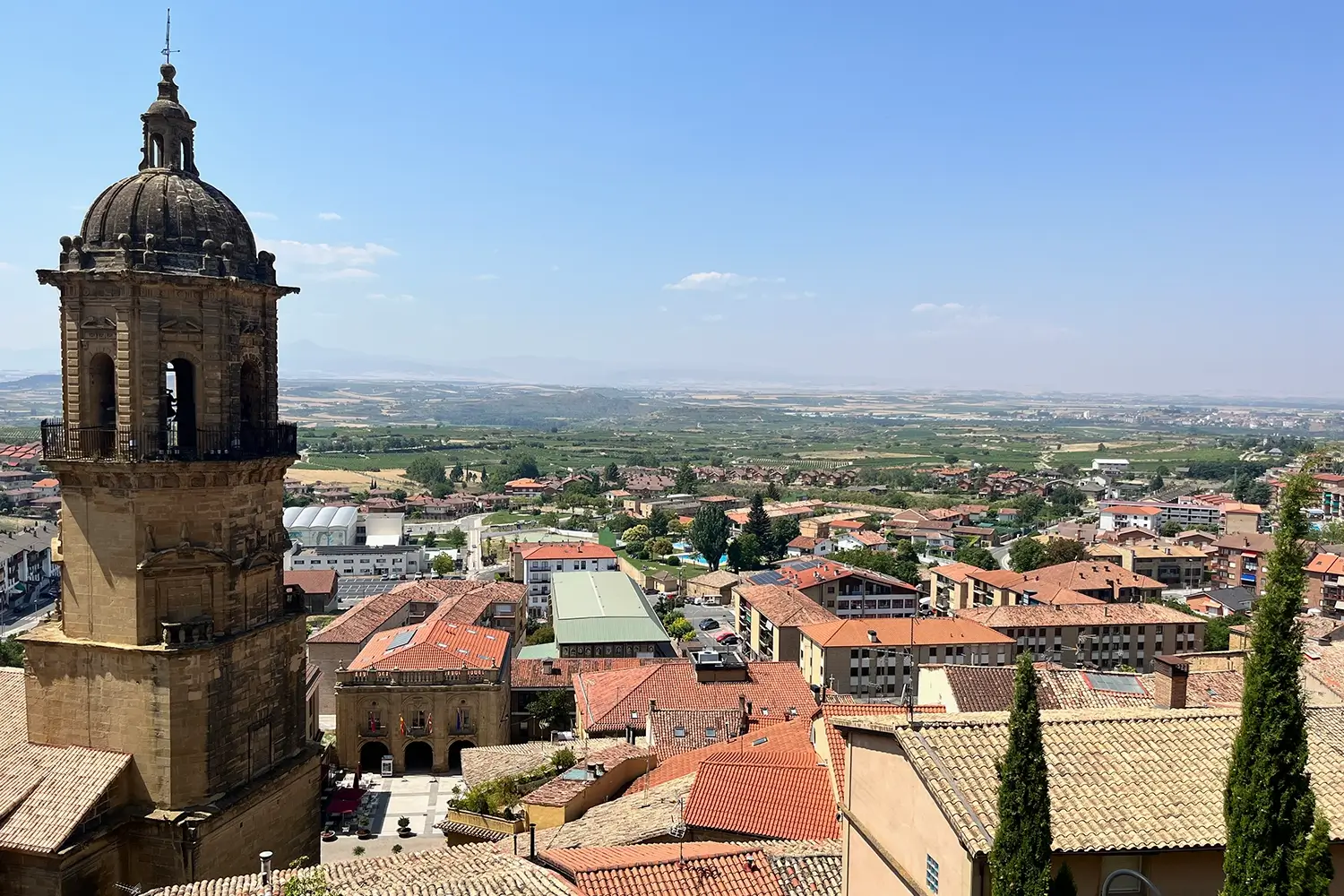
Labastida sits in southern Álava, tucked between Mount Toloño and the Ebro River, in one of Rioja Alavesa's most iconic areas. A historic town surrounded by endless vineyards where stone, wine, and local life form part of the same way of living.
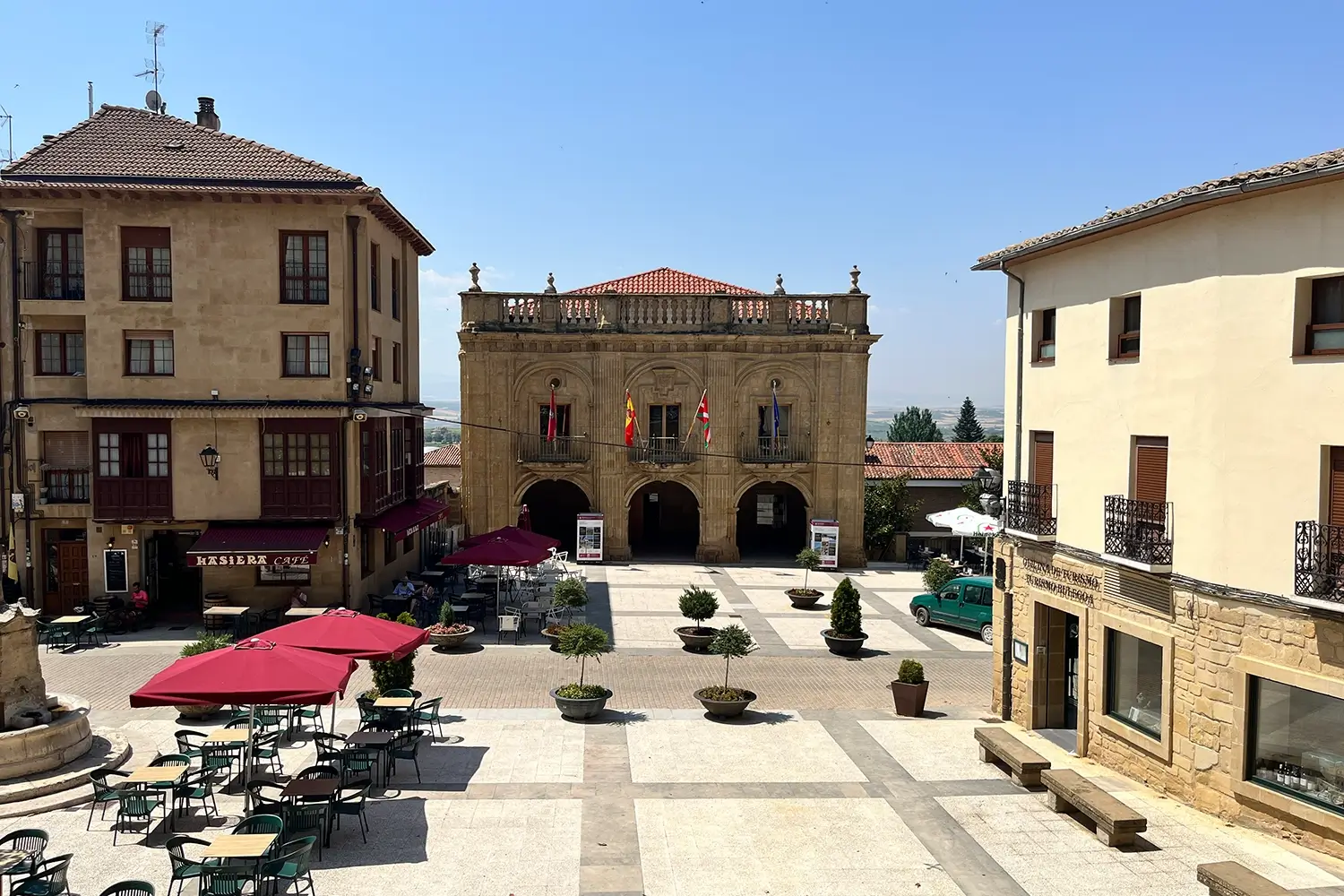
Its streets preserve the legacy of a place linked for centuries to grape cultivation and winemaking. But Labastida is more than history and landscape. It is a living town of nearly 1,500 inhabitants with a natural affinity for wine tourism and a prime location to experience Rioja Alavesa up close or launch journeys into La Rioja, the Basque Country, and Navarre.
Labastida Historic wine cellar
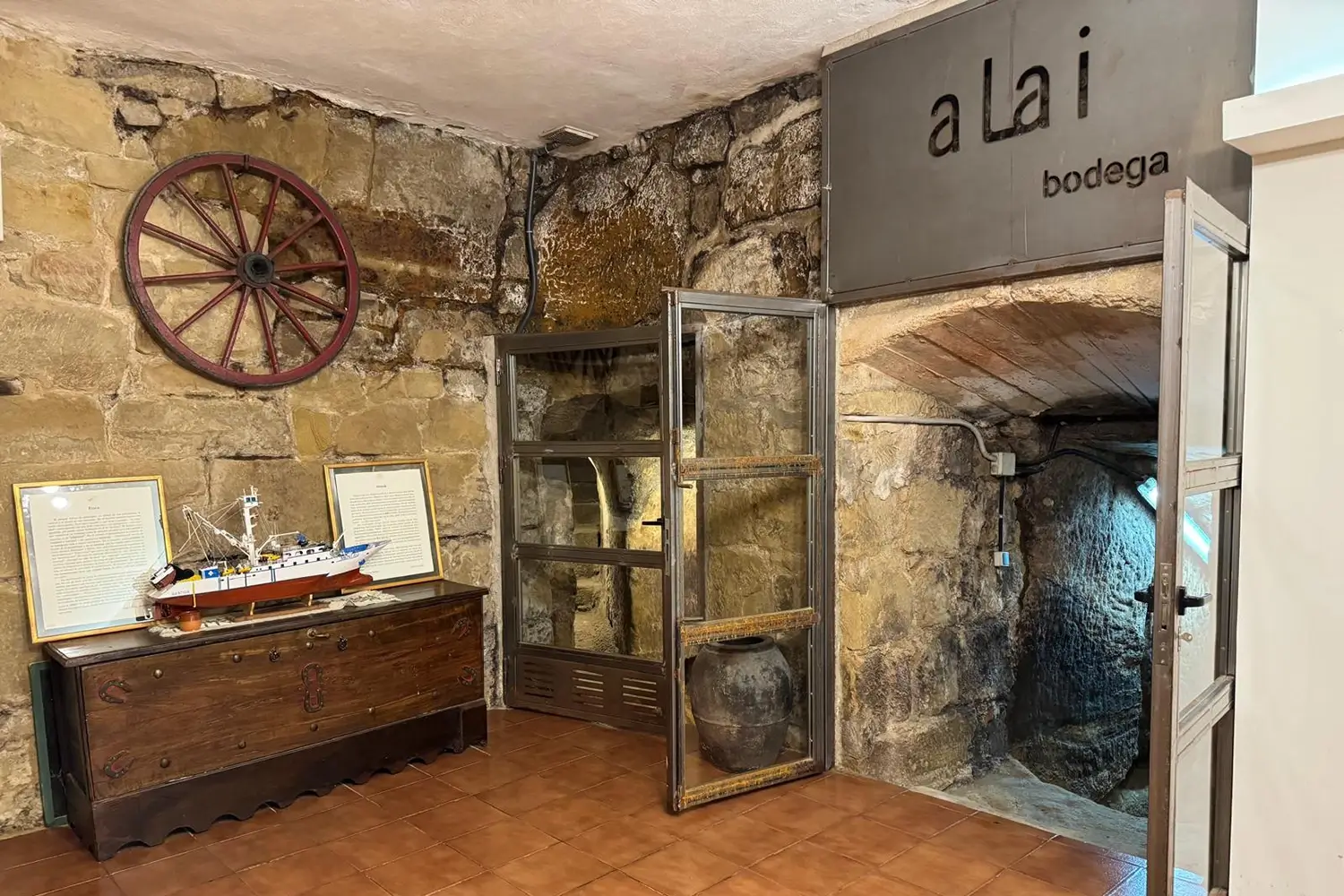
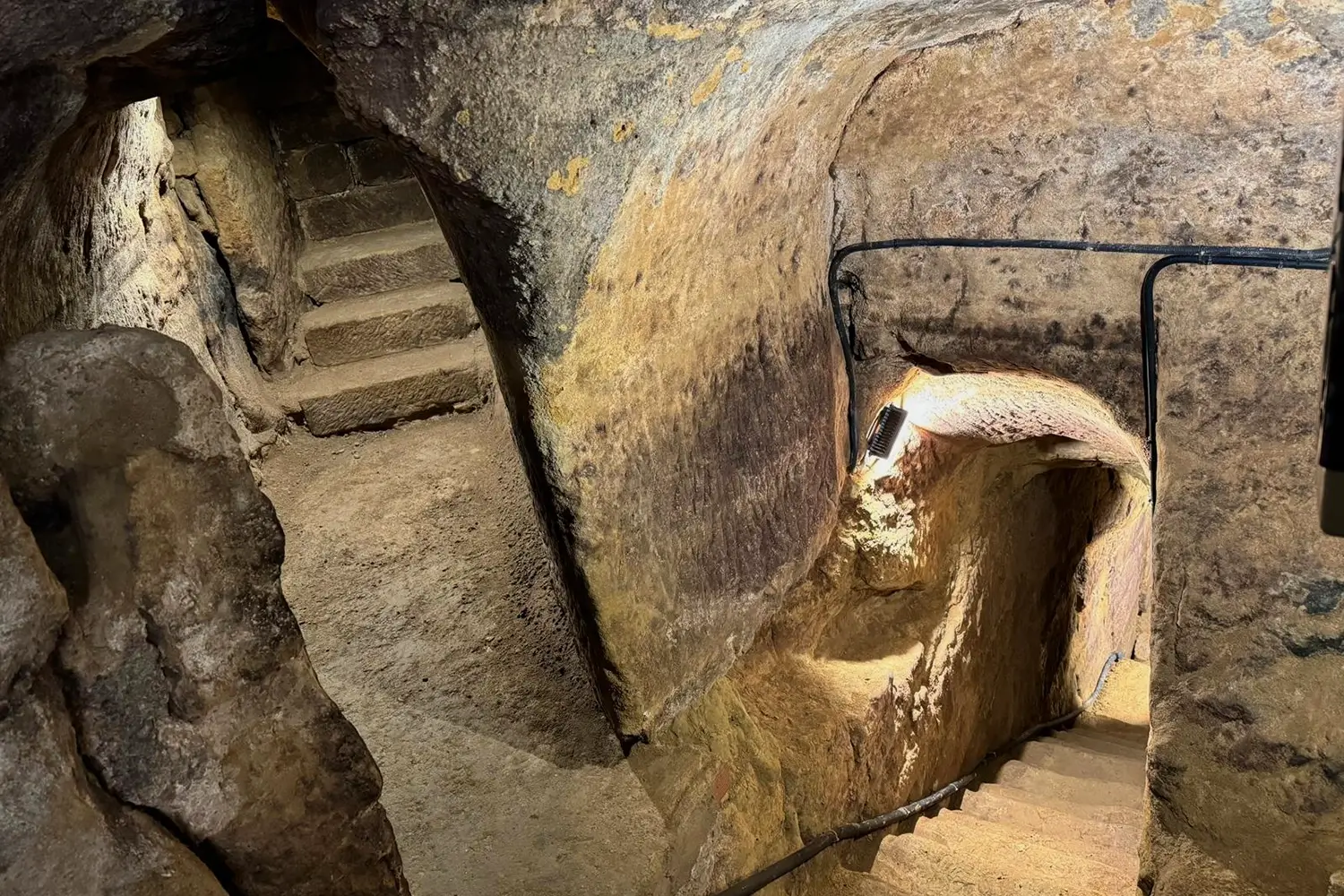
Beneath Los Ojos del Alai lies an exceptional piece of winemaking history: the oldest cellar (calado) in Spain designed to craft and age Bordeaux-style wine. It was commissioned in 1793 by Ramona Norberta de Albiz, recognised ever since as one of the great visionaries of modern viticulture.
That bold choice meant looking beyond borders, introducing new techniques, adapting the building to a different way of handling wine, and trusting time as part of the crafting process. Today, the cellar remains under the house as a silent testament to that decision. Everything Labastida has been for centuries remains right down there, holding up what this place is today.
Labastida
Sierra de Cantabria.
Labastida from the outside
The best way to understand Labastida’s surroundings is on foot. Between Toloño and the Ebro, paths cross vineyards, scrubland, springs, hermitages, winepresses and ancient remains, offering a different perspective on the landscape.
Ascent of
Mount Toloño
A demanding and characteristic route starting at San Ginés Park and climbing to one of the area’s most recognisable peaks. From the top, views open out over the Ebro, Rioja Alavesa and La Rioja.
Rock-cut winepresses and
medieval burial grounds
A route through rock-cut winepresses and medieval burial grounds, remains that reveal ancient ways of life connected to the land and wine.
Springs, aqueducts
and hermitages
An easy route to discover springs, water crossings, hermitages and paths that have been part of village life for generations.
The
Machimbrao walk
A short local walk from upper Labastida to San Ginés, taking in vineyards, views, an aqueduct and small artistic installations.
San Ginés Park
At the foot of Toloño, beside the San Ginés hermitage, this is a place to rest, set off into the mountains and connect with the landscape.
Labastida places of interest
Labastida offers a taste of village life and a starting point for journeys in many directions: Rioja wine country, Rioja Alavesa, La Rioja and some of the major cities of the north.
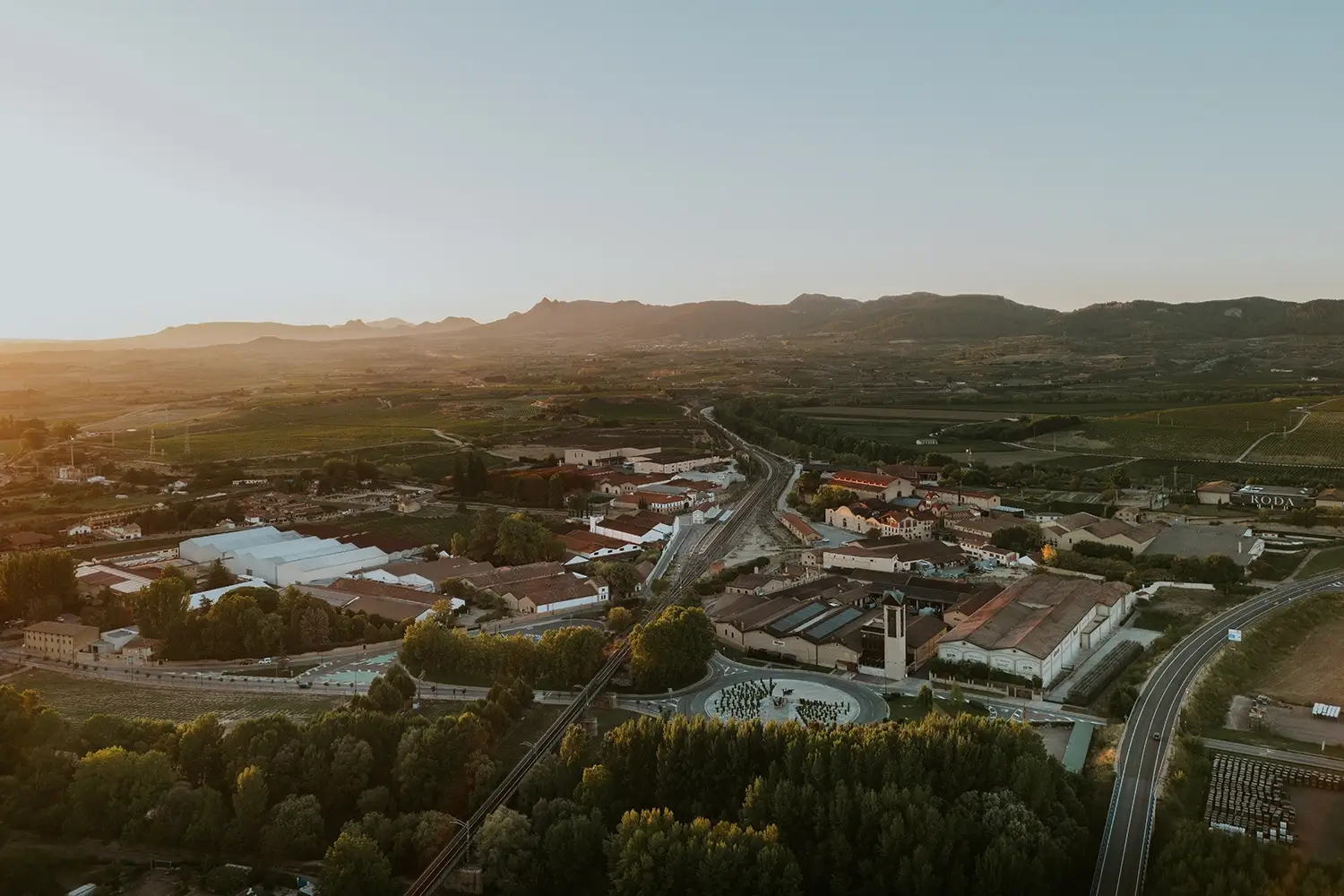
Haro’s Station Quarter
(6 km)
One of Rioja’s great historic wine districts, with century-old wineries beside the former railway station.
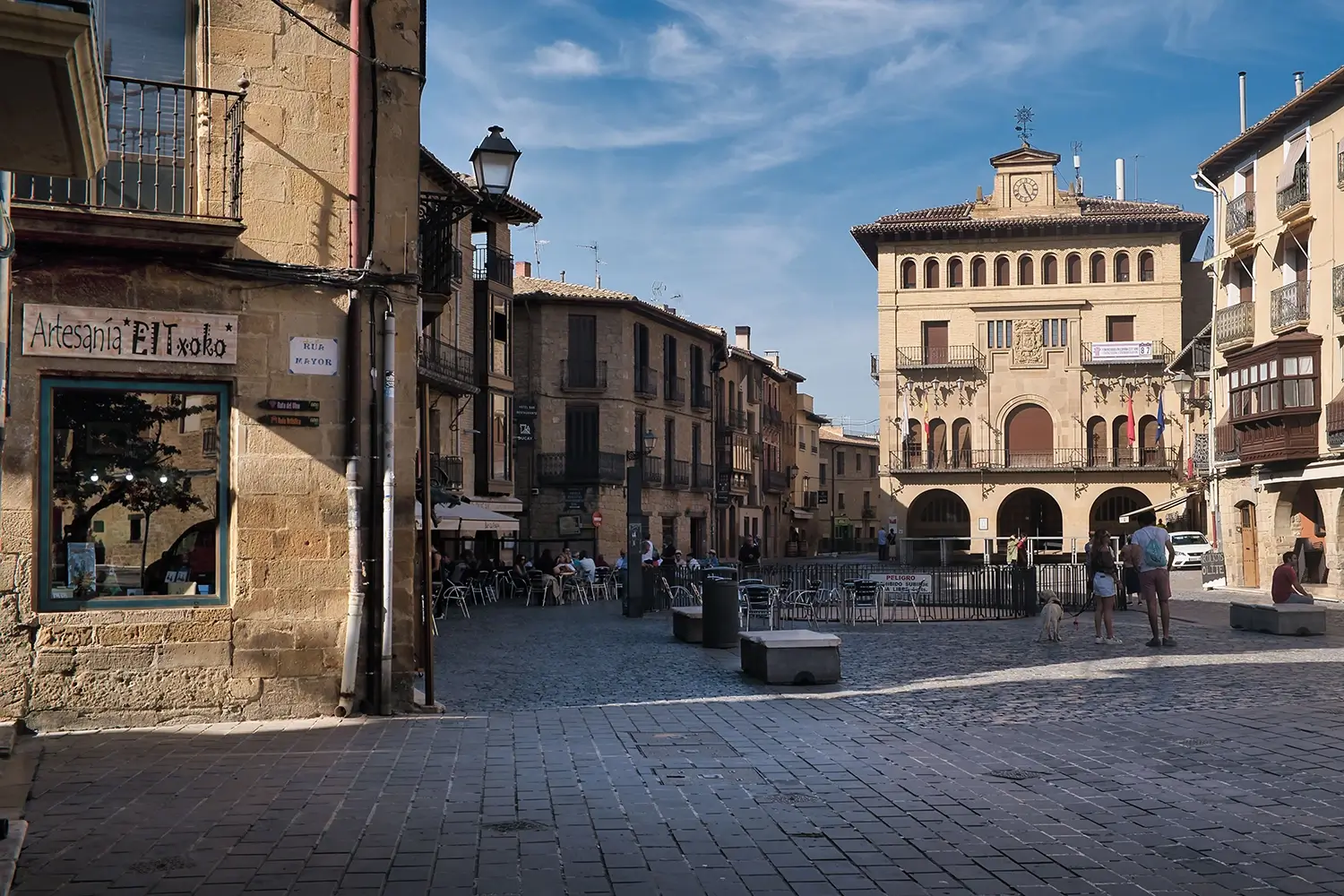
Laguardia
(20 km)
A walled town in Rioja Alavesa, with narrow streets, underground cellars and vineyard scenery.
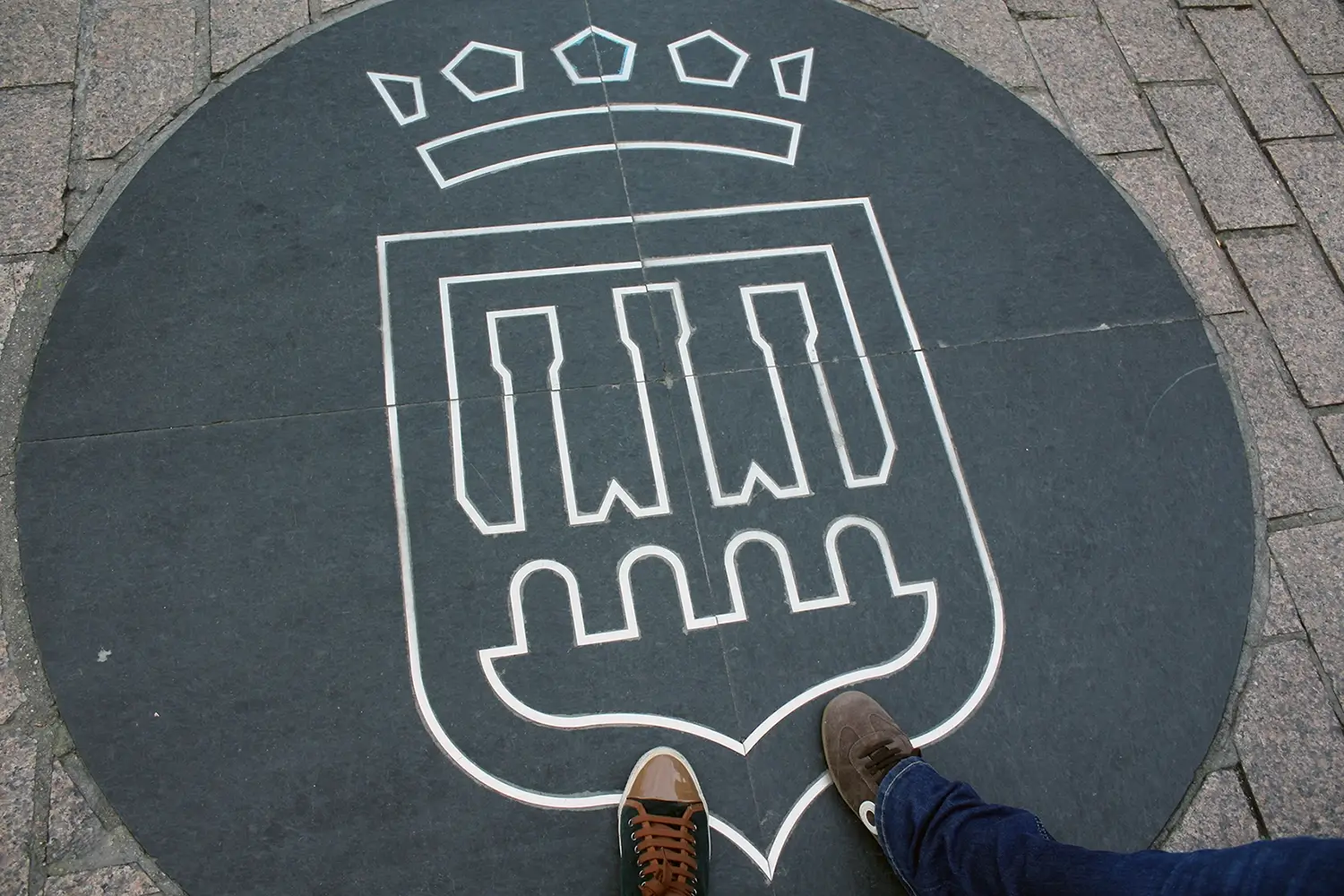
Logroño
(40 km)
The capital of La Rioja, where wine, gastronomy and city life naturally come together.
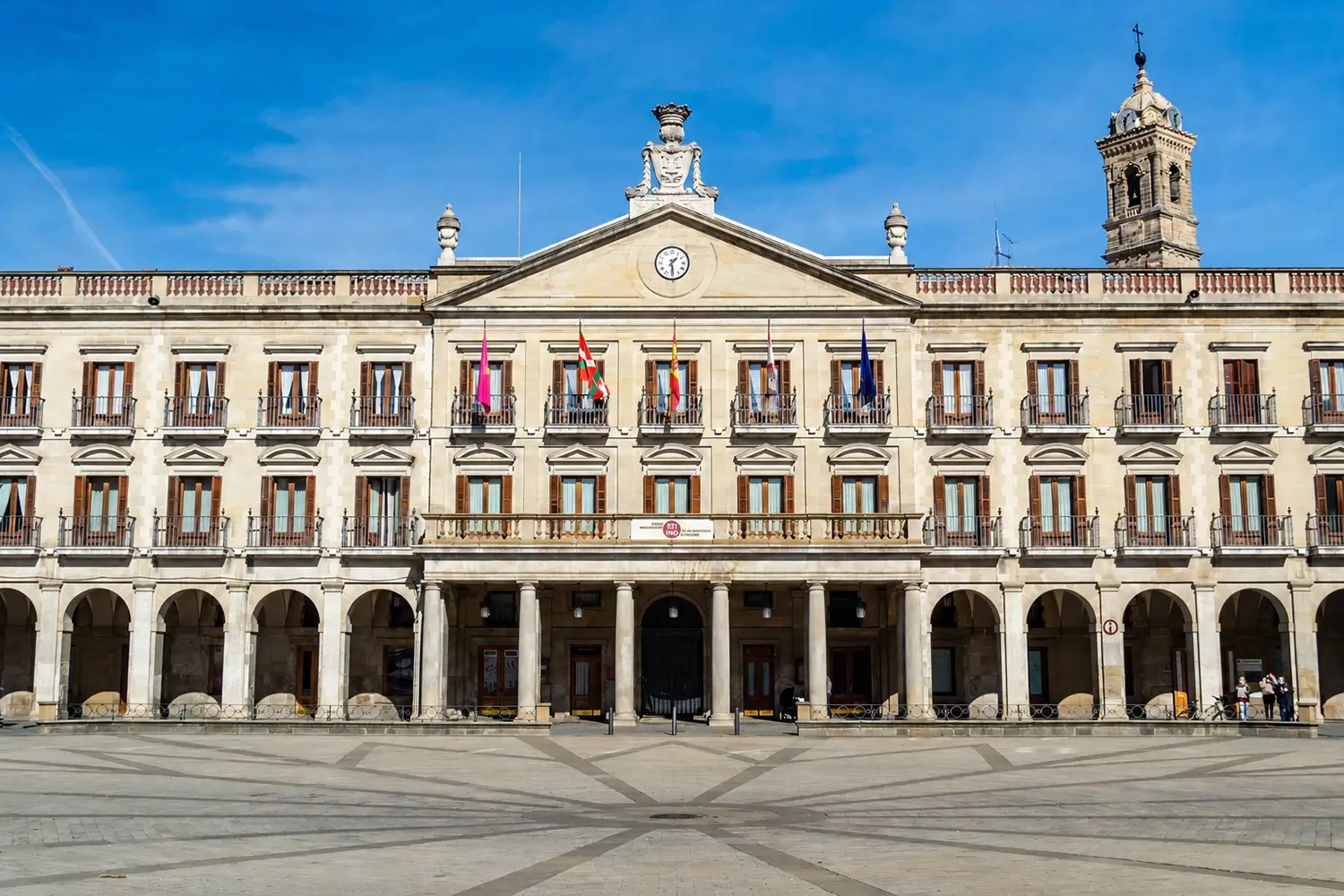
Vitoria-Gasteiz
(40 km)
The capital of the Basque Country, with a medieval old town, parks and a relaxed pace for unhurried exploration.
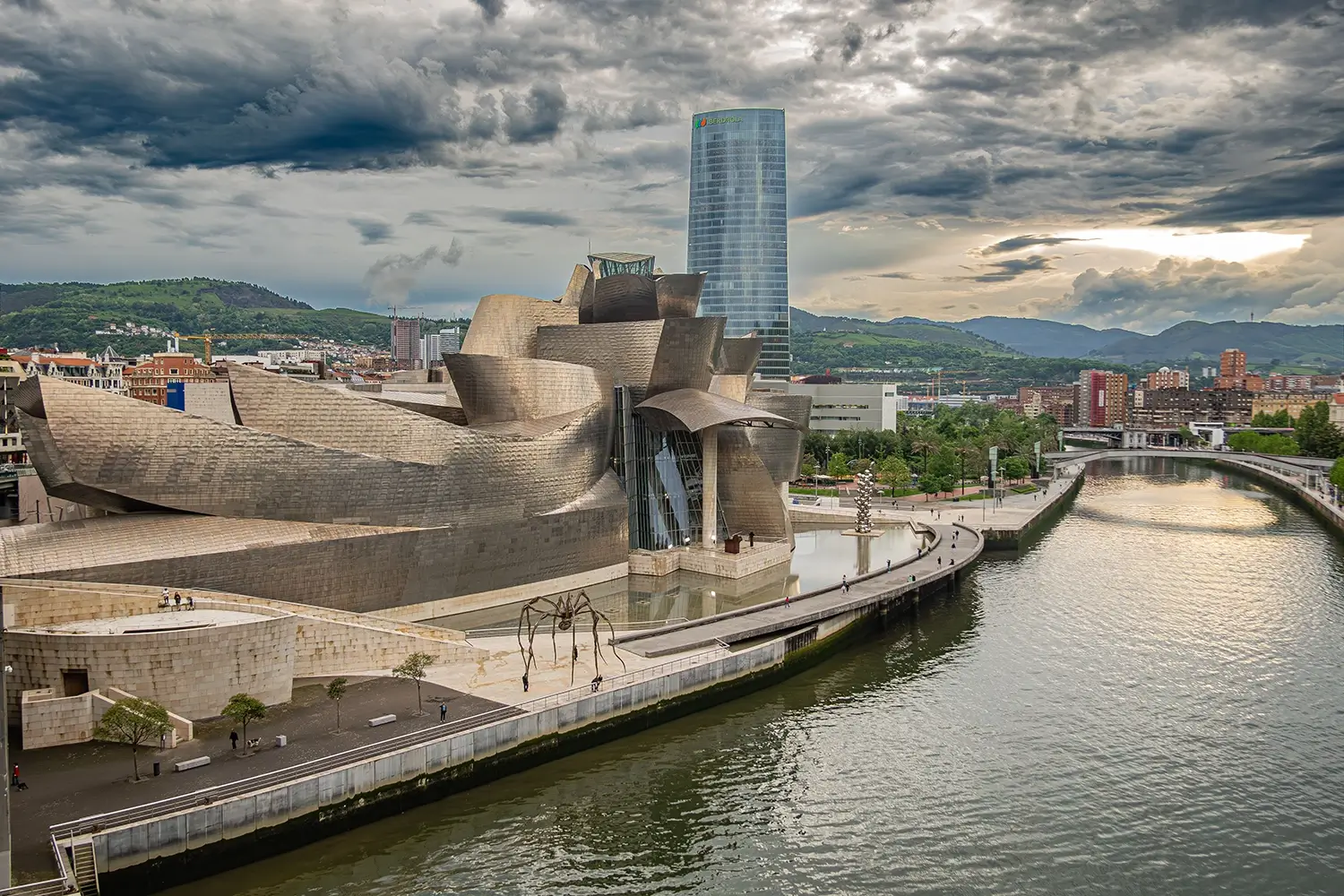
Bilbao
(100 km)
A city shaped by architecture, culture and gastronomy, from the Guggenheim to the estuary.
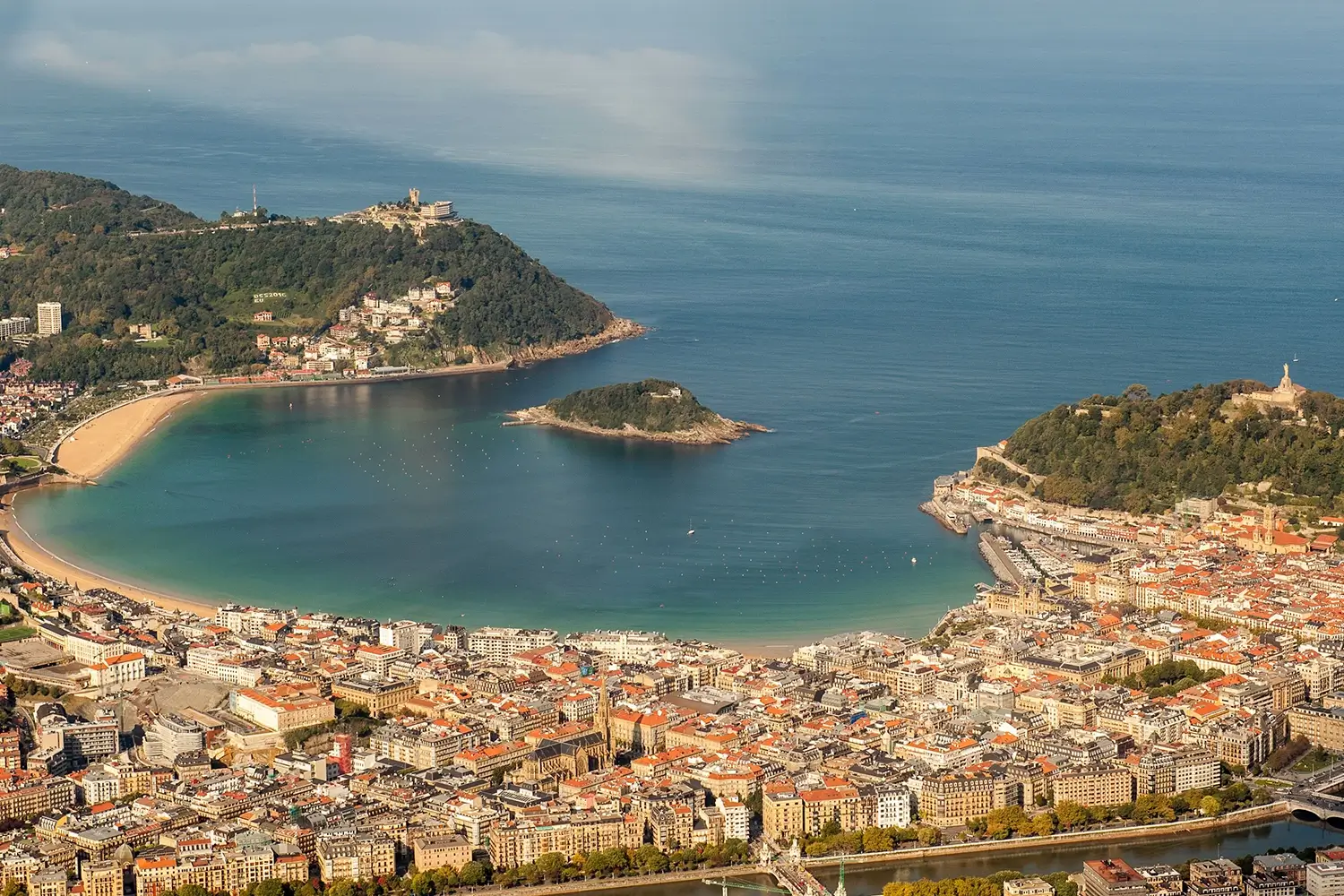
San Sebastián
(150 km)
Sea, city and cuisine, with La Concha Bay as one of its defining sights.
Pamplona
(120 km)
A historic city near the Camino de Santiago, with walls, squares and a lively centre.